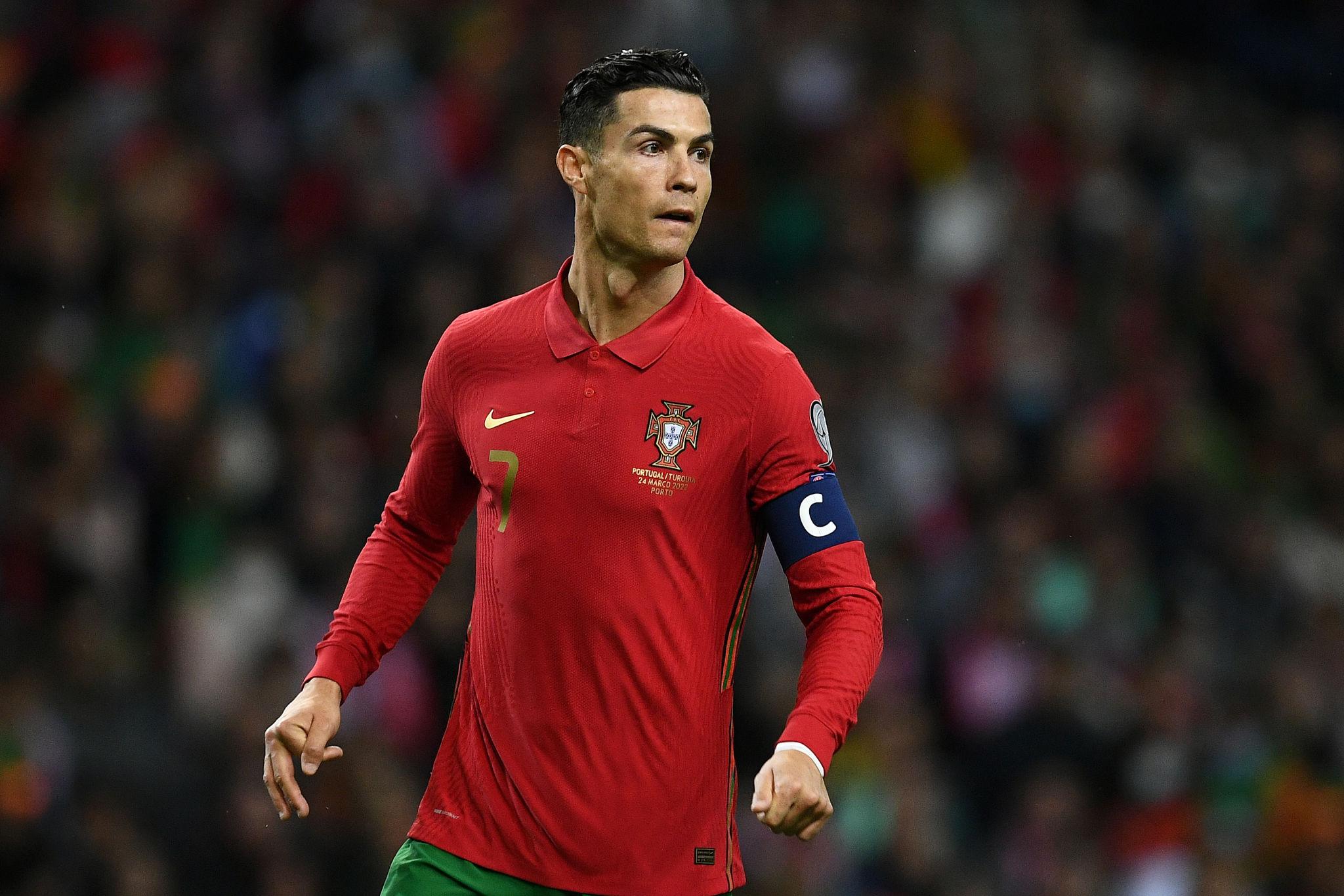
Cristiano Ronaldo has returned to club action with a goal for Al-Nassr after a turbulent international break that raised fresh questions about his future with Portugal. The 41-year-old scored in Al-Nassr’s 3–0 victory over Al-Diriyah on Friday, October 9, putting the focus back on his football after his public disagreement with Portugal coach Jorge Jesus.
The latest Cristiano Ronaldo Portugal update is about more than his latest goal. The Portugal captain recently left the national team camp following a dispute over his expected playing time, then issued a statement apologizing to his teammates and supporters while accusing Jesus of breaking promises.
Despite the tension, Ronaldo has said he remains available to represent Portugal after any punishment he may receive. His comments leave the door open for a return, although the situation still needs to be resolved.
Why did Ronaldo leave Portugal’s training camp?
The controversy developed during Portugal’s October UEFA Nations League campaign. Ronaldo was an unused substitute in Portugal’s 2–1 victory over Norway, a decision that reportedly left him frustrated because of discussions about how his playing time would be managed.
Ronaldo’s account is that he had initially discussed a plan with Jesus to manage his participation in the international fixtures. He said the coach later indicated he would play around 30 minutes against Norway, but he was not brought onto the pitch.
The disagreement escalated before Portugal’s next match against Denmark. Ronaldo said he expected the coach to explain the situation publicly in line with a further agreement, but he felt that did not happen. He subsequently left the national team camp.
These details are based on Ronaldo’s account of events. Jesus has disputed the existence of the agreement as described by the player, so the disagreement should not be presented as though every aspect has been independently established.
The episode quickly became a major story because Ronaldo is not an ordinary member of the Portugal squad. He is the national team’s long-serving captain and one of the most recognisable figures in international football. A dispute involving him inevitably raises questions about leadership, selection and the relationship between a manager and a senior player.
Ronaldo apologises but refuses to retire from Portugal
After leaving the camp, Ronaldo addressed the controversy publicly. He accepted responsibility for his decision to depart and apologised to his teammates and Portuguese supporters. At the same time, he maintained that the disagreement had developed because of what he described as broken promises.
Crucially, the forward did not announce his retirement from international football. Instead, he said he would remain available for Portugal provided he was physically fit, performing well for his club and had served any punishment imposed by the Portuguese Football Federation.
That distinction matters. Leaving a national team camp is a serious matter, particularly for a captain, but it does not automatically mean a player has ended his international career.
Portugal’s next decision will be how to handle the incident. Any disciplinary action, reconciliation or selection decision needs to be confirmed by the relevant authorities. As of October 9, a definitive public resolution of the dispute has not been established in the sources reviewed for this article.
Ronaldo responds on the pitch with an Al-Nassr goal
While questions about Portugal continue, Ronaldo has returned to his club responsibilities. He scored in Al-Nassr’s 3–0 win over Al-Diriyah, finding the net in the first half after goalkeeper rebound from a Kingsley Coman effort. Samú Costa and Coman also scored as Al-Nassr secured the victory.
The goal was reported as the 980th of Ronaldo’s senior career, leaving him 20 short of the much-discussed 1,000-goal milestone. That figure is based on the career tally reported by UOL, and career totals can vary slightly depending on the competitions and records included.
For Ronaldo, scoring immediately after an international controversy offers a welcome return to familiar territory: the pitch. His job at Al-Nassr is to help the team win matches, maintain his scoring form and remain physically prepared for the demands of a long season.
However, one club performance cannot settle the disagreement with Portugal. His goal demonstrates that he remains involved at club level, but the question of his national-team future will depend on discussions and decisions away from the pitch as well.
What Ronaldo’s absence means for Portugal
Portugal have already shown that they can produce results without their captain. They came from behind to beat Norway 2–1, with João Cancelo equalising before Gonçalo Ramos scored the winner. Portugal then defeated Denmark 4–2 without Ronaldo.
Those results do not erase Ronaldo’s contribution to Portuguese football, nor do they prove that the team is better without him. They do, however, demonstrate the importance of having a squad capable of performing when a major player is unavailable.
For coach Jorge Jesus, the challenge is to maintain team discipline while managing the expectations that come with a player of Ronaldo’s stature. For Ronaldo, the challenge is to make clear that his desire to represent Portugal can coexist with the manager’s authority over selection.
There is also a generational question. Portugal have talented attacking options who need opportunities to develop, while Ronaldo remains a highly experienced forward with an extraordinary international record. A successful national team needs to balance experience, performance and long-term planning rather than allow any one issue to dominate every decision.
Nigerian fans who follow European football will recognise the wider lesson: even the biggest stars must navigate selection decisions, dressing-room relationships and national-team expectations. Reputation can open doors, but trust and communication remain essential.
Will Cristiano Ronaldo play for Portugal again?
At present, a return remains possible, but it should not be treated as guaranteed. Ronaldo has explicitly said he is willing to represent Portugal again after any punishment, and coach Jesus has previously indicated that the door is open.
The next steps will depend on how the Portuguese Football Federation handles the situation and whether the player and coach can move forward. No confirmed retirement announcement has come from Ronaldo in the reporting cited here.
For now, his immediate response has been to return to club football and score. That is positive for Al-Nassr, but Portugal’s supporters will be watching for a different kind of result: a clear resolution that allows the national team to focus on football again.
Ronaldo’s international story may not be over. His own words suggest he still wants to compete for Portugal, but the path back will require more than another goal. It will require the dispute to be settled and the team to move forward together.
Should Portugal welcome Cristiano Ronaldo back once the dispute is resolved, or should the team focus on building its next generation of leaders?