
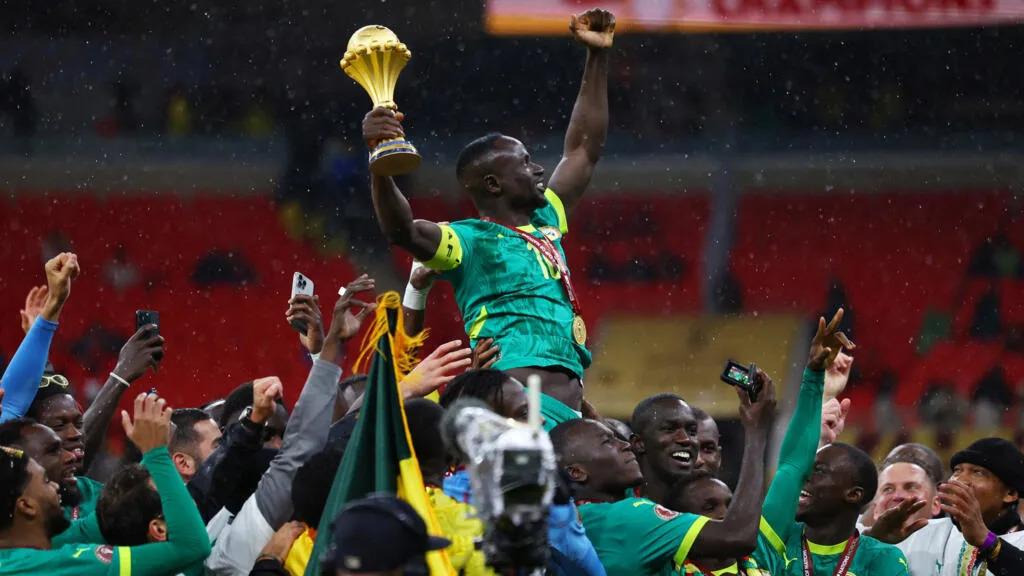
Imagine winning the Africa Cup of Nations, celebrating with your teammates and lifting the trophy, only to be told months later that another country has been declared champion. That is the extraordinary situation facing Senegal after the Confederation of African Football (CAF) overturned the result of the 2025 AFCON final and awarded the title to Morocco.
Now, the dispute has reached the Court of Arbitration for Sport (CAS), the independent body responsible for resolving major disputes in international sport. CAS heard Senegal’s appeal on Thursday, October 8, and has promised a decision within days. As of Friday, October 9, the final ruling has not been publicly announced.
The Senegal vs Morocco CAS case is about more than a football trophy. It raises important questions about match regulations, player conduct, the authority of football governing bodies and the way African football handles controversial decisions.
For Senegal, the aim is to overturn CAF’s decision and recover the title the team won on the pitch. Morocco, meanwhile, have a strong interest in defending the ruling that officially awarded them the championship. Whatever CAS decides, the outcome could have lasting consequences for both countries and African football.
How did the Senegal–Morocco AFCON controversy begin?
The dispute began during the AFCON final in Rabat on January 18, 2026. Senegal and tournament hosts Morocco played out a tense contest that remained goalless after 90 minutes.
Late in normal time, Morocco were awarded a penalty following a video assistant referee (VAR) review. The decision provoked a furious reaction from Senegal’s players and coaching staff. Senegal’s team temporarily left the pitch in protest, causing a lengthy interruption.
The players eventually returned, and Morocco’s Brahim Díaz missed the penalty. The match continued into extra time, where Pape Gueye scored the decisive goal to give Senegal a 1–0 victory and what appeared to be their second AFCON title.
At that point, Senegal were celebrated as champions. Morocco, however, challenged the handling of the incident and pursued the matter through CAF’s disciplinary process.
The controversy therefore did not end with the final whistle. It moved from the pitch into football’s legal system, where the central question became whether Senegal’s walk-off constituted a breach serious enough to justify forfeiting the match.
Why did CAF award Morocco a 3–0 victory?
On March 17, CAF’s Appeal Board ruled that Senegal had forfeited the final under Article 84 of the AFCON regulations. It changed the official result to a 3–0 victory for Morocco, overturning the result that had initially crowned Senegal champions.
This was the turning point in the dispute. Rather than treating the match as a 1–0 Senegal victory, CAF’s Appeal Board applied the forfeiture rule to Senegal’s conduct during the final.
The distinction is important. CAF did not award Morocco the title because the team scored more goals during the match. Morocco had missed the late penalty, and Senegal subsequently scored in extra time. The later 3–0 result came from the governing body’s ruling under the competition regulations.
That decision is now being challenged by the Senegalese Football Federation (FSF). Senegal’s appeal asks CAS to review the ruling and determine whether CAF applied its regulations correctly in the circumstances.
The case also illustrates why football matches are governed by written rules beyond the laws used by referees during play. A referee’s decisions determine what happens on the pitch, but competition regulations can also impose consequences for serious misconduct or a team’s failure to continue a match.
What is CAS, and what can it decide?
The Court of Arbitration for Sport is an independent institution that resolves disputes connected to sport. It is based in Lausanne, Switzerland, and hears cases involving athletes, clubs, national federations and international sporting organisations.
In this case, Senegal is challenging CAF’s decision, while CAF and Morocco’s football federation are parties to the proceedings. CAS held the hearing on October 8, with the proceedings taking place behind closed doors. The court has said it expects to issue a reasoned decision within days, but it has not announced an exact date.
In simple terms, CAS will examine the arguments and relevant regulations before deciding whether CAF’s ruling should stand or be changed. It is not simply being asked which team played better in the final. The central issue is whether the governing body’s decision was legally and procedurally justified.
The possible outcomes include upholding CAF’s decision or granting Senegal’s appeal, potentially overturning the forfeiture ruling. The exact form of any remedy will depend on the panel’s findings and the rules that apply to the case.
Until CAS publishes its decision, claims that Senegal have already recovered the trophy—or that Morocco’s title is now beyond challenge—should be treated with caution. AFP Fact Check previously debunked a fake document claiming CAS had already reinstated Senegal as champions.
What could the CAS decision mean for Senegal and Morocco?
For Senegal, a successful appeal could overturn the decision that stripped the team of its title. It would also raise questions about the validity of CAF’s application of the forfeiture regulations and the status of the final’s official result.
For Morocco, the ruling currently stands in the country’s favour. The Royal Moroccan Football Federation will want that decision upheld, allowing Morocco to retain the title awarded by CAF’s Appeal Board.
The case is also significant for CAF itself. The organisation needs its regulations to be applied consistently, particularly in a competition watched by millions across Africa and beyond. A decision that satisfies neither side could generate further debate about the governing body’s disciplinary processes and how similar incidents should be handled in future tournaments.
There is a wider lesson for national teams, too. Walking off the pitch in protest may communicate a team’s frustration, but it can also expose that team to serious disciplinary consequences. Teams and officials must understand the rules governing their conduct, even when they strongly disagree with a referee’s decision.
At the same time, the legal process exists to ensure that disciplinary decisions can be challenged through the appropriate channels. That is precisely why Senegal has taken the case to CAS.
When will CAS announce its verdict?
CAS has promised a decision within days of the October 8 hearing, but it has not given a specific date for publication. As of October 9, football supporters should wait for an official announcement rather than rely on social media claims or unofficial documents.
The outcome could settle one of the most extraordinary disputes in recent AFCON history. Senegal believe they earned the title through their victory in Rabat, while Morocco’s championship status rests on CAF’s subsequent ruling.
For Nigerian football fans and supporters across the continent, the case deserves attention because it touches on the credibility of African football’s competitions and the authority of their governing bodies.
One thing is certain: the CAS ruling will determine the next chapter of this dispute, but until it is published, the final outcome remains unresolved.
Should Senegal’s walk-off during the AFCON final justify forfeiting the match, or should the original result stand? Share your view in the comments.


